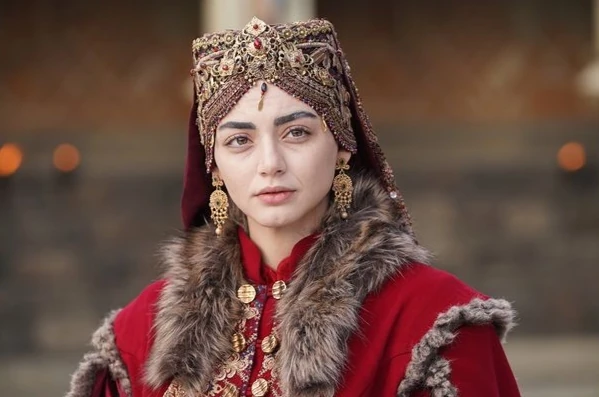
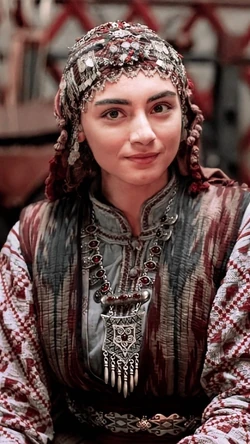
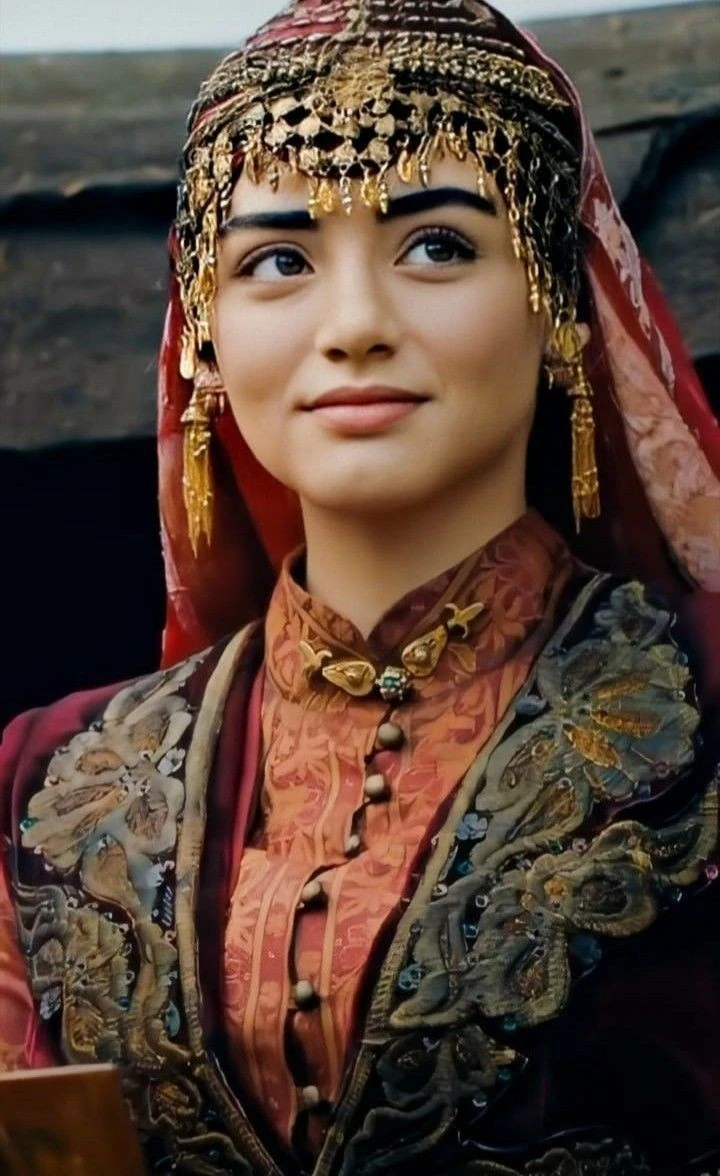
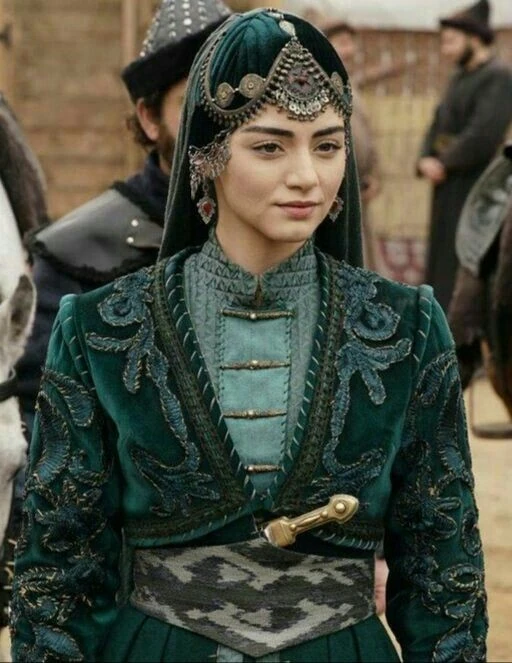
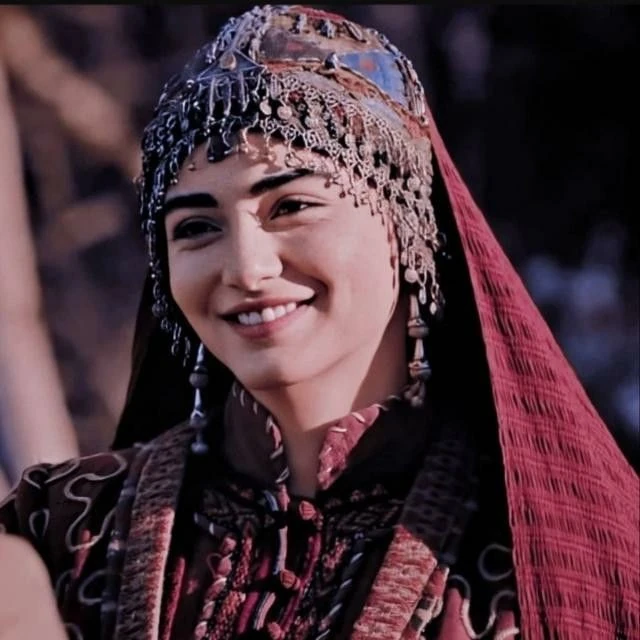
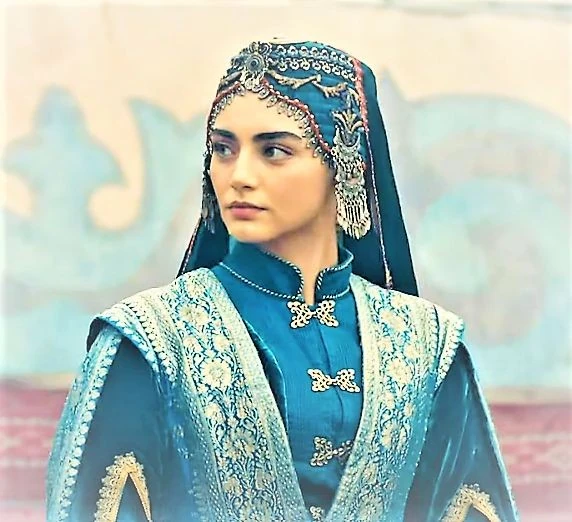
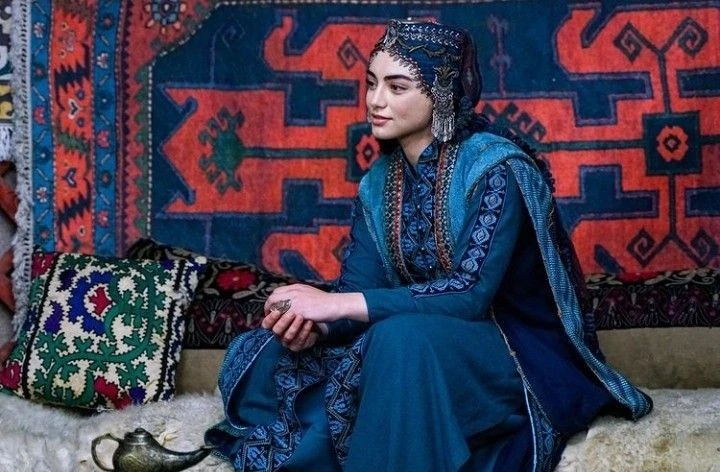
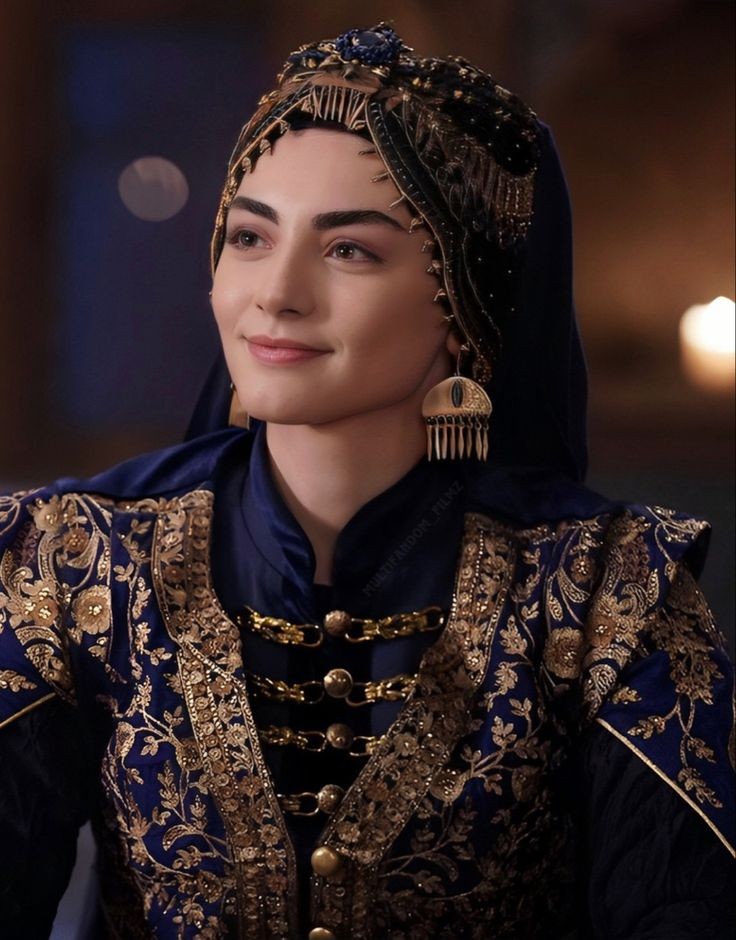
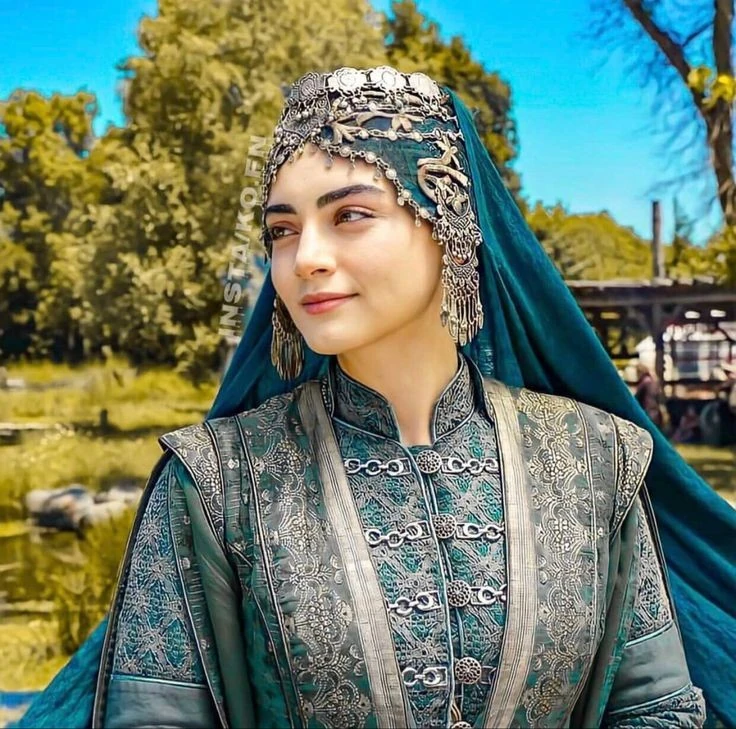
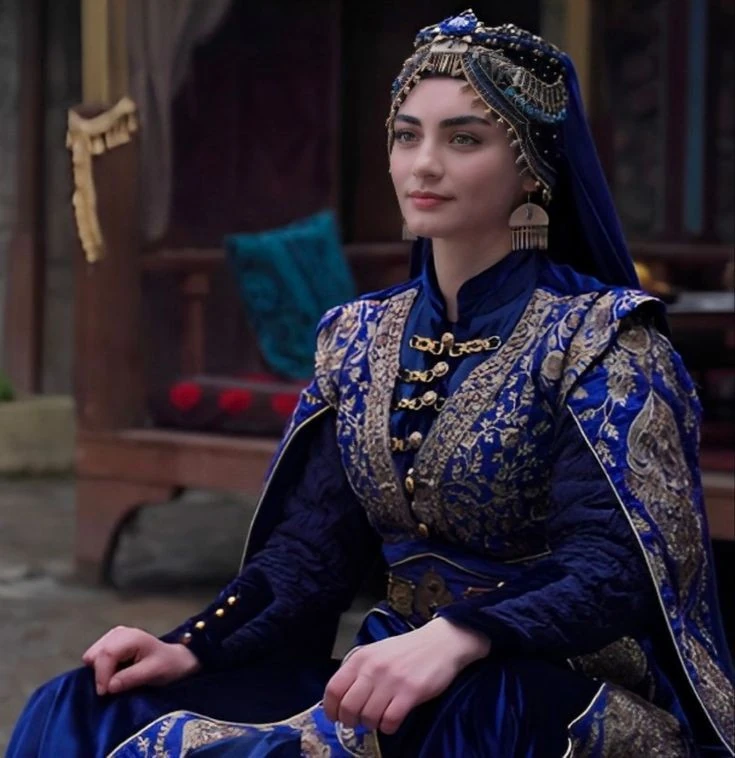
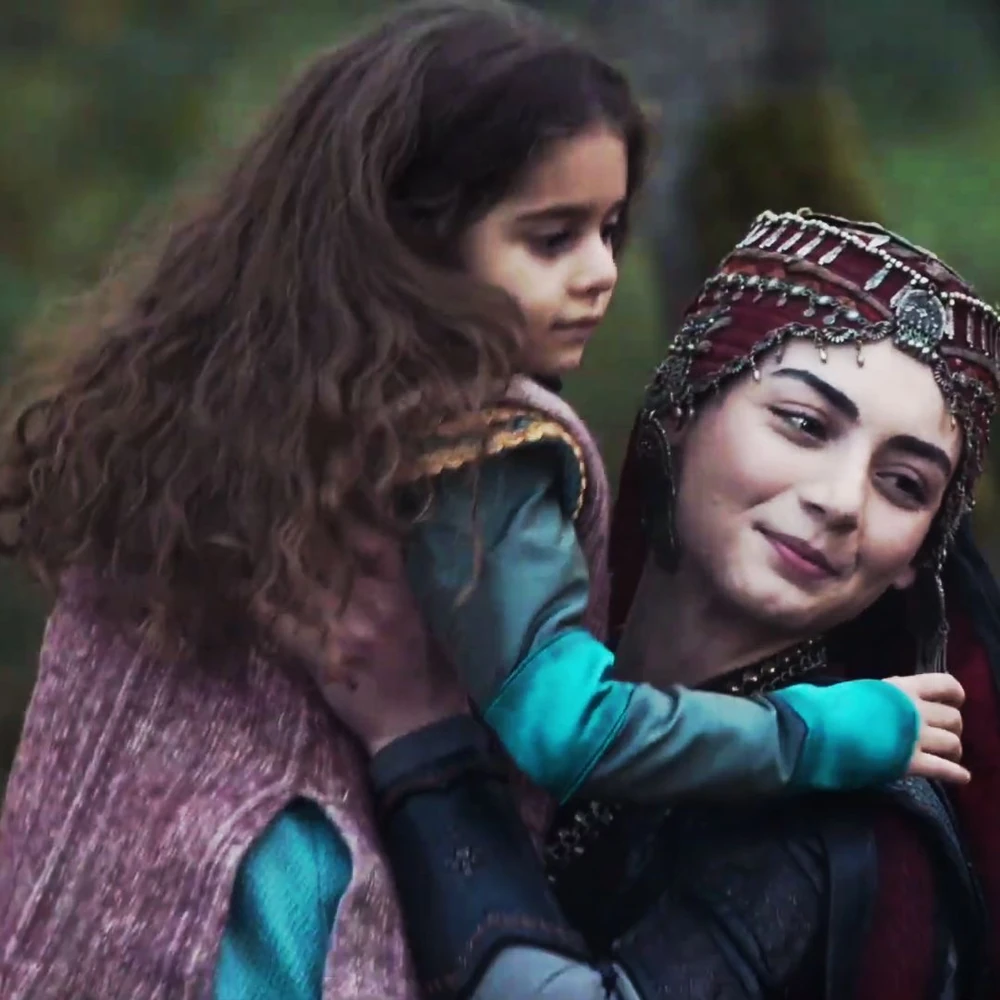
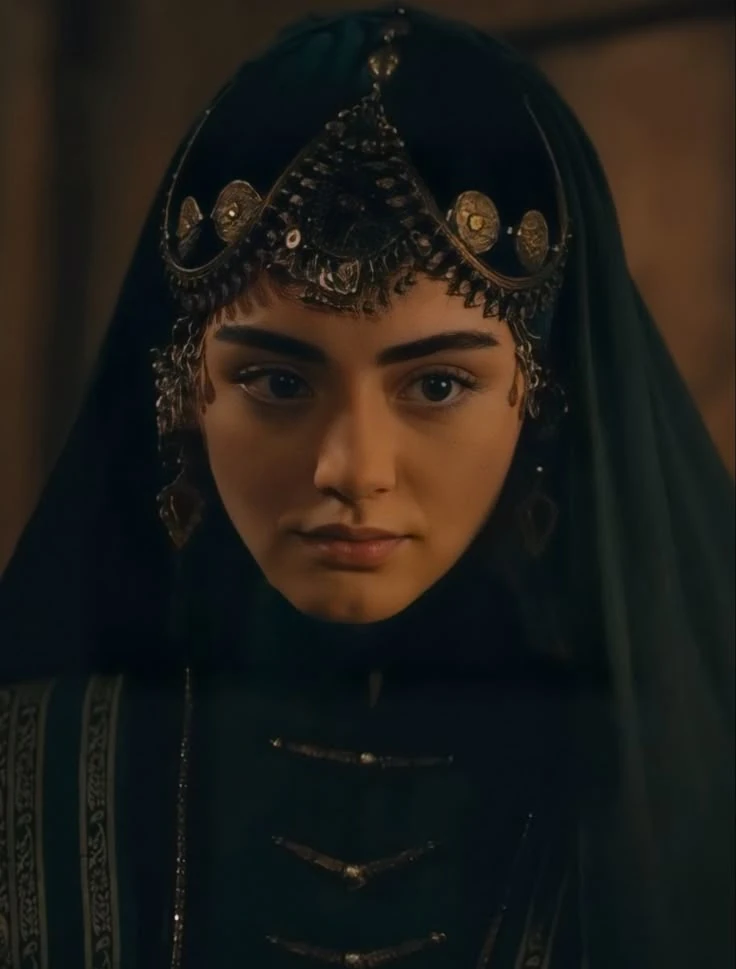
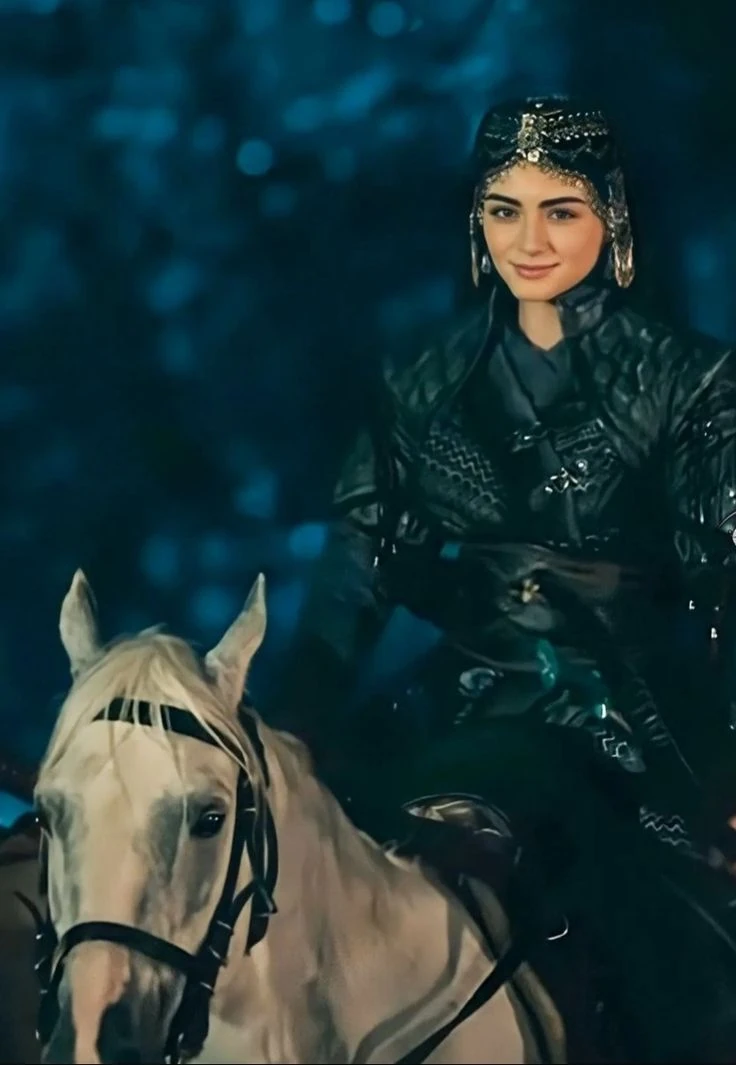
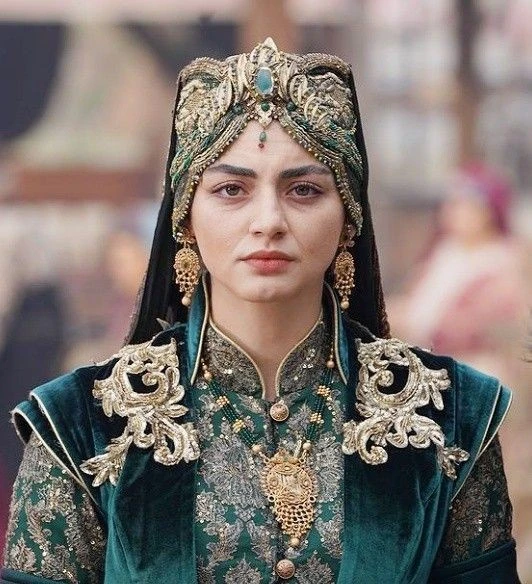
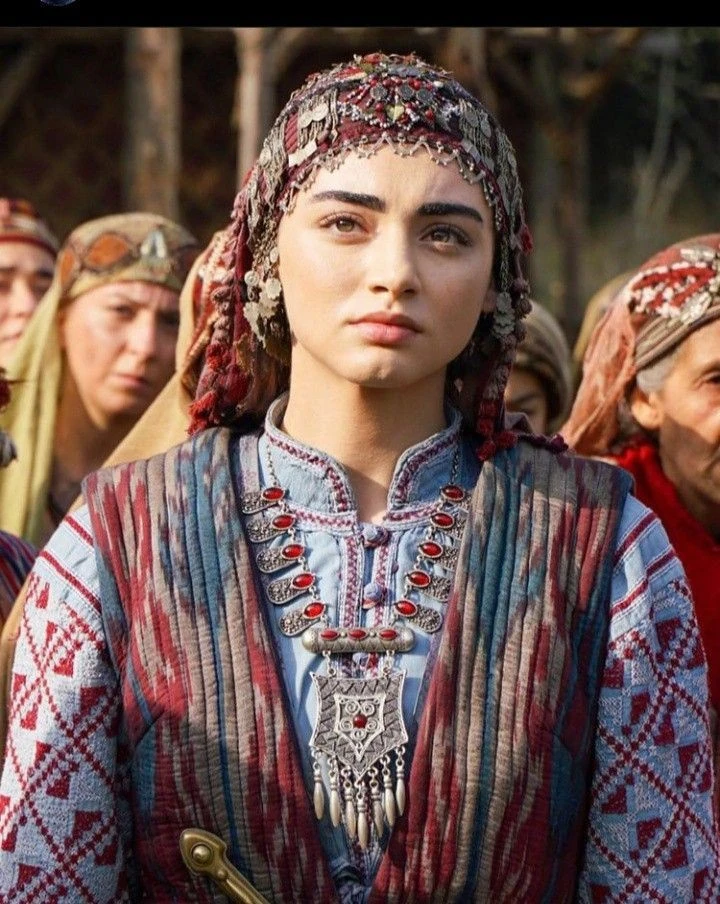
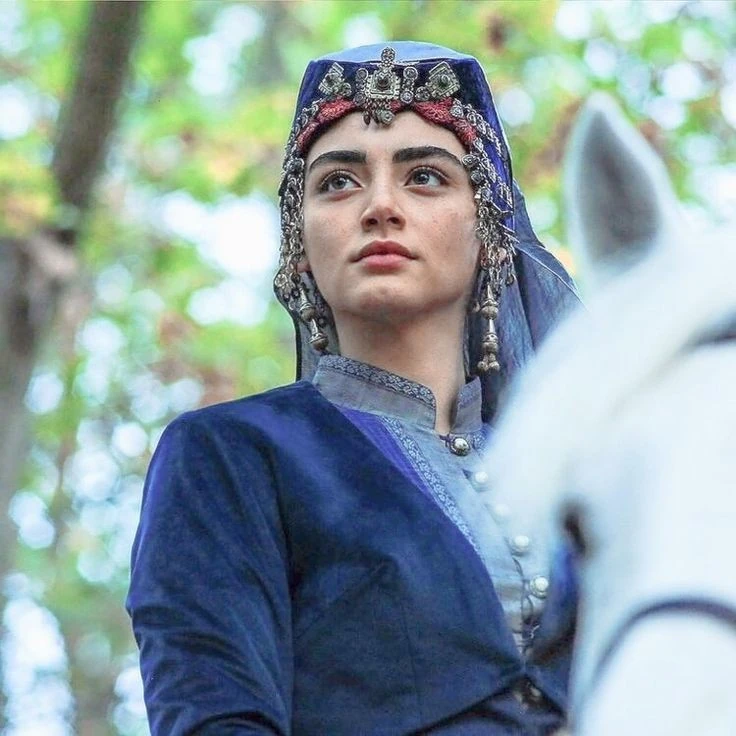
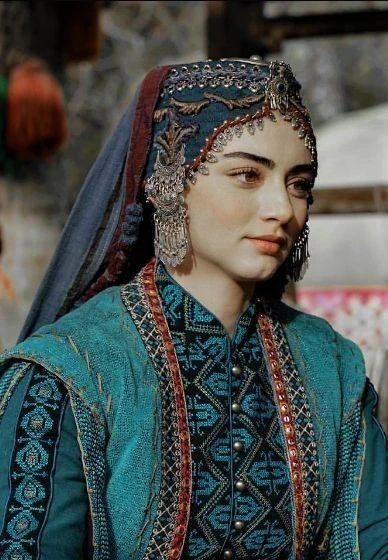
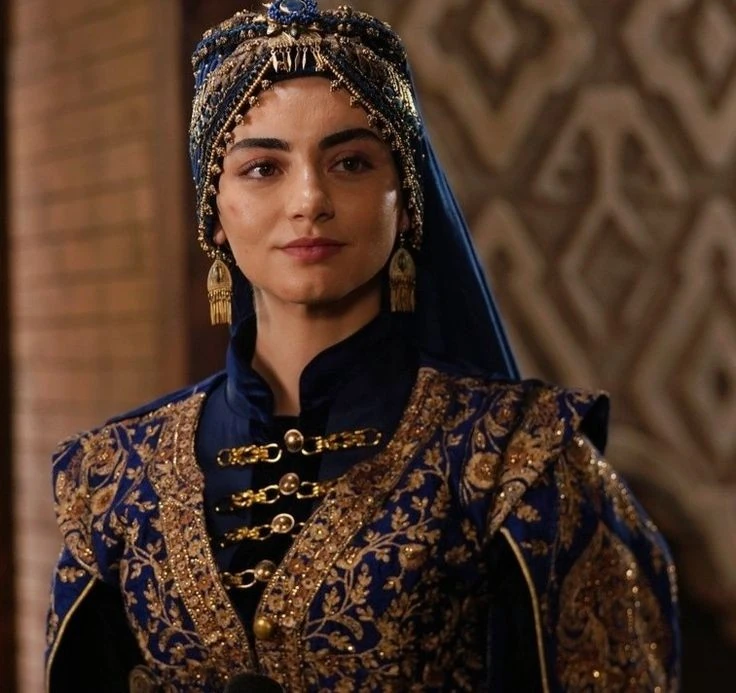
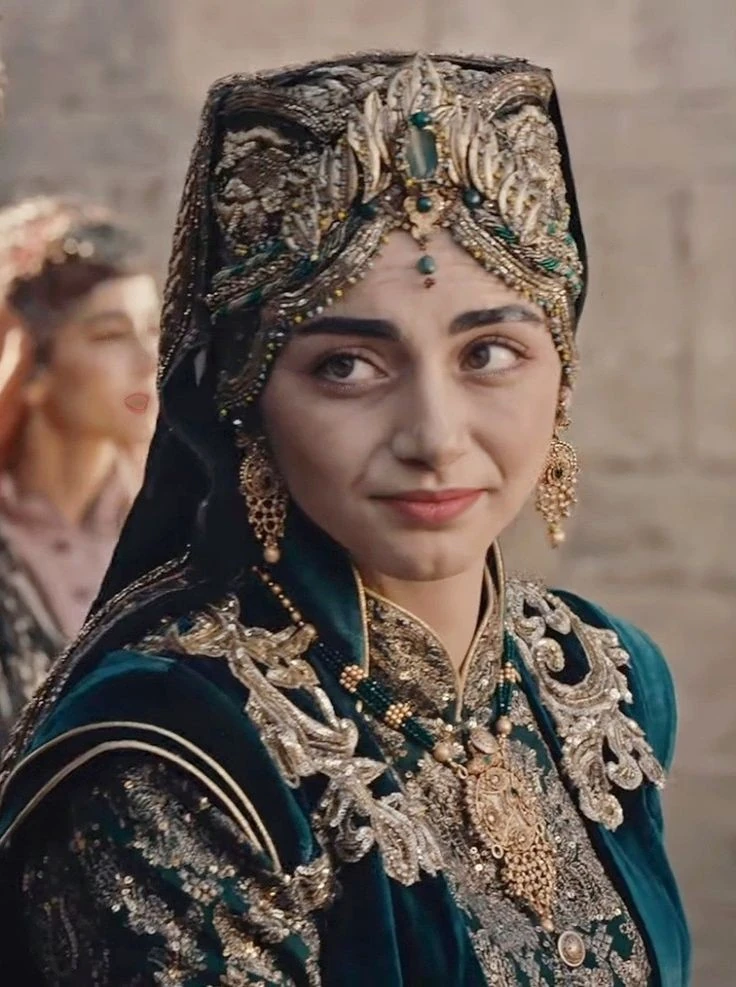
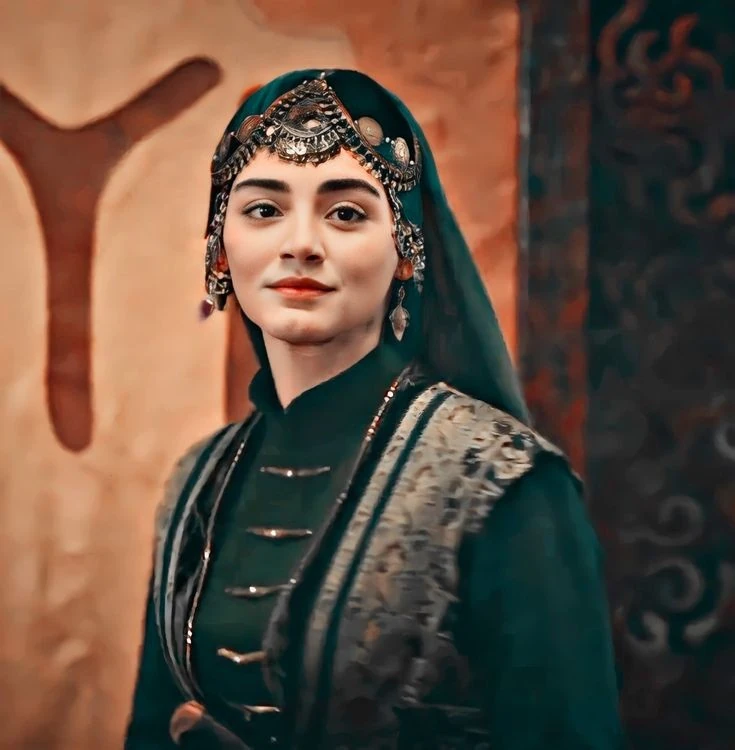
"Her courage shaped the destiny of her people."
Legacy
Bala Hatun’s life remains a symbol of strength, wisdom, and devotion. Her role in history continues to inspire cultural storytelling today.

Bala Hatun (also known as Rabia Bala Hatun) is remembered as the wife of Osman Ghazi, the founder of the Ottoman state, and the daughter of the famous scholar Sheikh Edebali. She appears as a brave, principled, and deeply spiritual figure who stands beside Osman through many tests.
Bala Hatun is portrayed as a capable and fierce warrior, a significant creative embellishment of her historically known role. While she was a vital figure as the wife of Osman I, modern depictions amplify her agency and physical prowess.
Bala Hatun, portrayed by actress Özge Törer, is depicted as far more than just a supportive spouse. Her character is a highly skilled fighter who actively engages in combat and political intrigue.
Bala is shown to be proficient in sword fighting, archery, and horse riding. She regularly accompanies Osman and his warriors into battle, rather than waiting at the camp.
As the daughter of Sheikh Edebali and later the Baş Hatun (Head Woman) of the Kayı tribe, Bala is a strategic and respected figure. She does not merely follow orders but uses her wisdom and strength to fight for justice and protect her people.
Head of the Bacıyân-ı Rûm: In the series, Bala leads the Bacıyân-ı Rûm, an organization of female warriors, and is responsible for training the next generation of women fighters.
Political involvement: Beyond physical battles, Bala is deeply involved in the political conflicts of the early Ottoman state, defending her people against both external enemies and internal traitors.